What can we do about it? More...
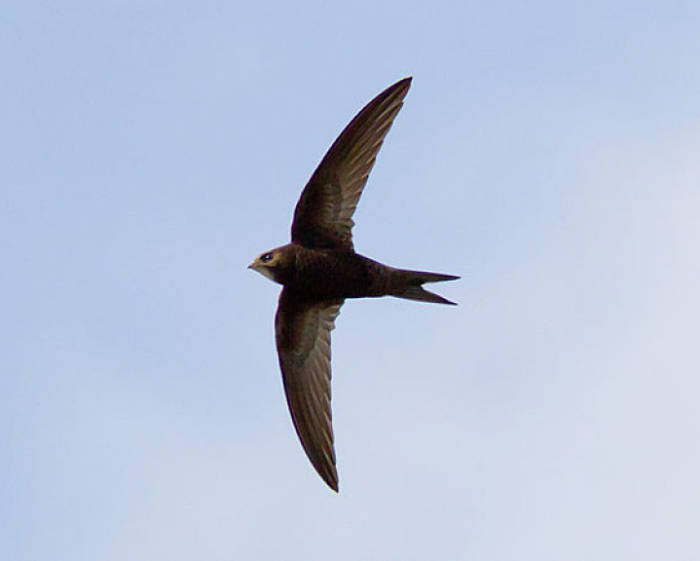
Common Swifts, Apus apus, spend almost all their life on the wing, eating, sleeping and mating. They only come to down to nest. Common Swifts migrate to Africa each year and may fly 300,000 miles non-stop between fledging late one summer and first landing at a potential nest site two summers later.
Sadly their numbers have seen a 68% decrease from 1995 to 2023. The Leicestershire & Rutland Swift Partnership has installed hundreds of swift nesting boxes across Leicestershire & Rutland to boost numbers of this threatened bird. Swifts welcome these boxes to replace nesting sites which have been lost on modern buildings, but there's another problem. Swifts eat 10,000 to 20,000 insects a day, hunting entirely on the wing catching "aerial plankton" - aphids, mosquitoes, flies, and airborne spiders. They require massive amounts of food to maintain their high-energy, aerial lifestyle. Insect numbers are also declining rapidly, so however many nest boxes are used, they have to eat. For this reason the Swift is one of the 100 Leicestershire, Leicester and Rutland Local Nature Recovery Strategy (LNRS) Indicator Species. Only through an integrated plan for nature recovery will Swifts have a chance of survival.